

1400 | Issue #2
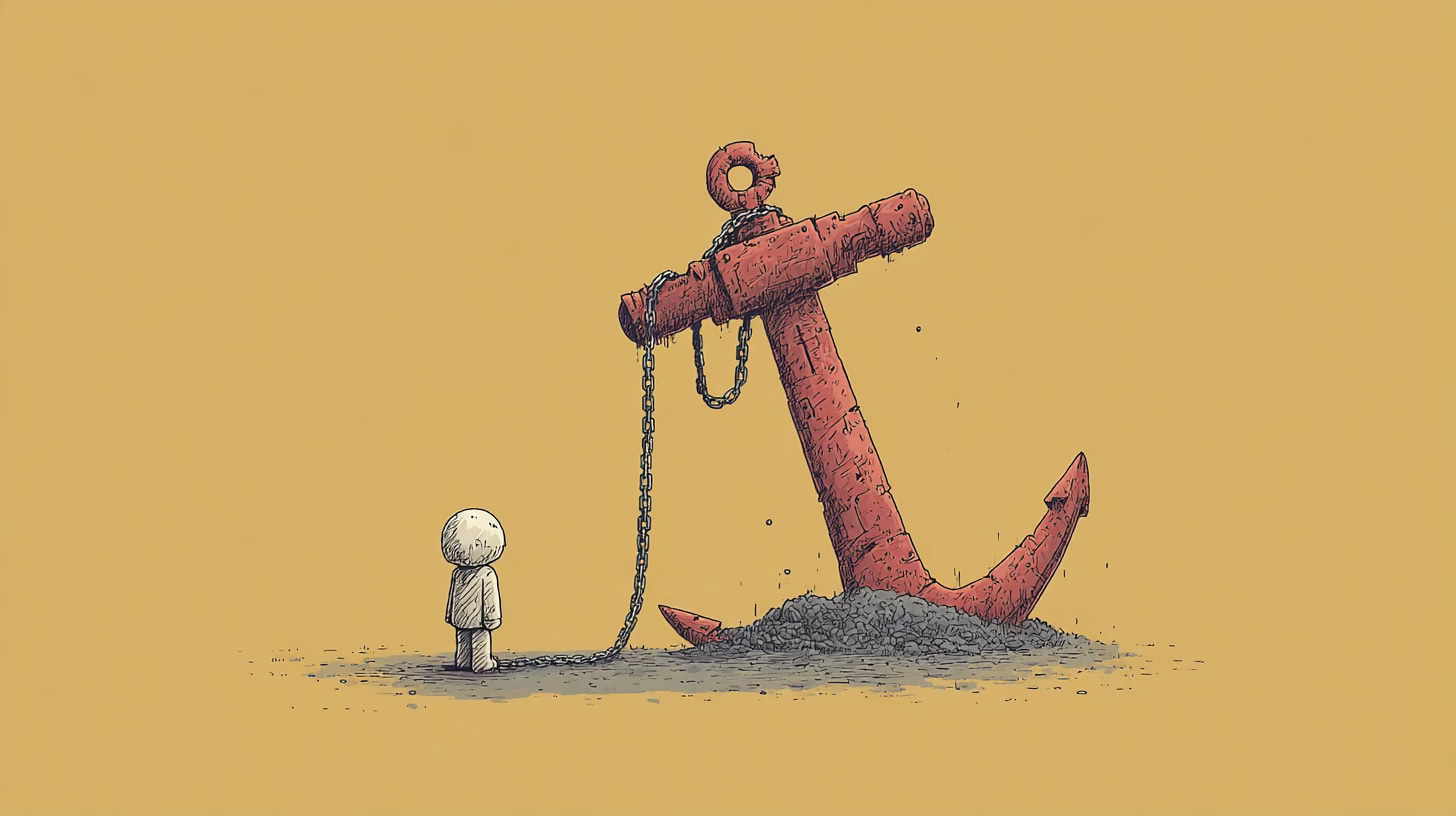
In the 1980s, economists began describing what anyone who has ever sat through a terrible movie because they bought the ticket will instantly recognise. The Sunk Cost Fallacy is the tendency to continue investing based on what has already been spent, rather than on what makes sense going forward. People hold losing positions not because they believe in them, but because selling means confirming the loss, so they wait, sometimes for years, for the price to recover to what they paid. They stay in careers they resent because of tenure, repeat habits they know are broken, not because things are good, but because they have put too much in to stop now. What makes it hard to catch is how virtuous it feels. Staying the course, seeing it through, not being a quitter. But when the honest reason you are not leaving is the weight of what you have already spent rather than any real belief in what you are doing, that is not discipline. That is the fallacy wearing discipline’s clothes.
There is something I have been holding onto, and to be honest, it is not producing what it is supposed to produce. I have known this for a while. I keep refining it, keep telling myself I just need to be more consistent, keep adjusting the edges instead of questioning the foundation.
I know exactly why I have not dropped it. The longer you carry something, the heavier the cost of admitting it was wrong from the start. Letting go does not just mean stopping. It means absorbing everything you spent to get here.
I do not have a resolution for this one. I am not writing from the other side of a lesson learned. I am writing from inside it, and the uncomfortable part is that I can name the pattern, describe it clearly, and still not be sure I am ready to act on it.
This pattern has a name older than the study.
A hadith, a recorded saying of the Prophet ﷺ, addressed this directly:
“...if anything (in the form of trouble) comes to you, don’t say: If I had not done that, it would not have happened so and so, but say: Allah did that what He had ordained to do and your ‘if’ opens the (gate) for the Satan.” (Sahih Muslim 2664)
The instruction is not about optimism. It is not telling you to feel good about what went wrong. It is cutting off a specific mental loop, the one where you stay anchored to a past you cannot change, rehearsing different outcomes, justifying present decisions based on what you have already lost. The Prophet ﷺ named what that loop opens. And he named who comes through when you leave it open.
There is also this:
“Allah is more delighted at the repentance of His servant than one of you who lost his camel on a journey in a barren land while it carries his food and drink. He loses all hope as he comes to a tree to lie down in its shade, despairing over his camel, but suddenly he finds it standing over him. He takes hold of its reins and then he greatly rejoices, saying: O Allah, You are my servant and I am your Lord! He makes a mistake due to his great joy.” (Sahih Muslim 2747a)
The man does not stop to calculate how long he wandered in the wrong direction. He does not weigh the return against the cost of having been lost. The moment it is found, none of that exists. The joy is not proportional to how correct his path was. It is proportional to the return itself.
That is the direct answer to the sunk cost trap. The past is not owed anything. Turning back does not require you to first settle the debt of having gone the wrong way. The return is enough on its own.
Something to do: Name one thing you are still doing only because of how long you have already done it, and ask yourself honestly whether you would choose it today if you were starting fresh.
Something to think about: Is the thing you are holding onto still serving you, or are you serving it?
Quran translations: Sahih International. Hadith translations: Sunnah.com.