

1400 | Issue #11
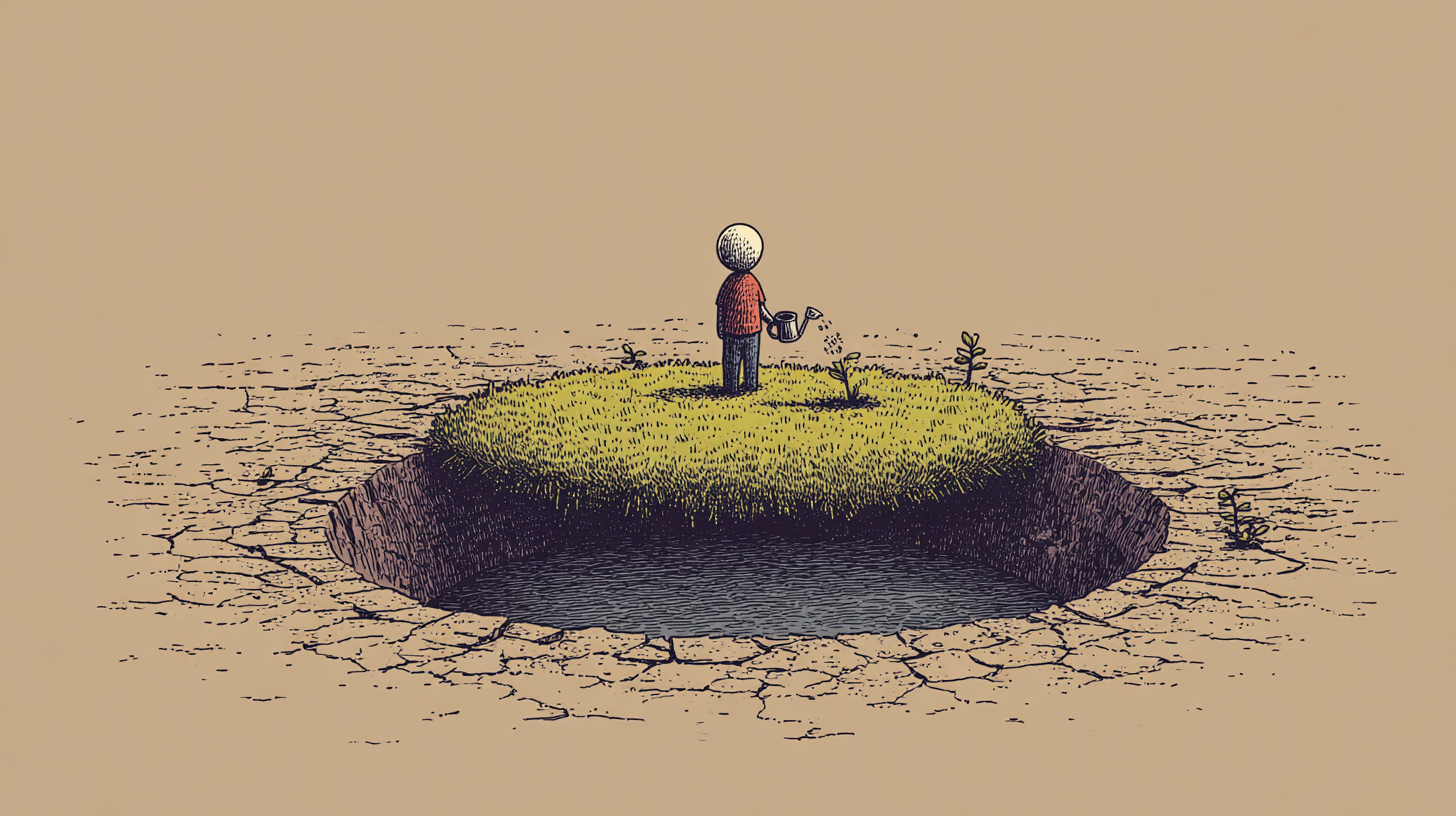
In 1966, two psychologists at the University of Kentucky wanted to know what people do when they watch someone suffer for no reason. Melvin Lerner and Carolyn Simmons brought a group of students into a lab and told them they were helping with a study on how people read emotions. Each student watched a screen showing another woman in the next room, taking part in what looked like a stressful learning task. Every time she got something wrong, she jolted as if she had been shocked. None of it was real. The shocks were fake and the woman was an actor who had rehearsed the whole thing. The students had no idea. They sat and watched her struggle, and the setup made it clear that stepping in was not their place. Then came the part that surprised everyone. The students did not feel sorry for her. When asked about her afterwards, they described her as less likeable, less impressive, the kind of person who had probably brought this on herself. The researchers tested this in different ways and found something stranger still. When the students were told the woman had agreed to keep going so they could earn their course credit, that she was, in plain terms, suffering for them, they judged her the most harshly of all. The kinder her reason for being there, the worse she came out. Lerner had a name for it. He called it the Just-World Fallacy. When the mind sees pain it cannot stop, it would rather decide the person deserved it than accept that the world is not fair. The students were not cruel. They were just human, and that is exactly the problem.
You see it everywhere once you start looking. The classmate who failed the exam, you wonder if they even studied. The couple whose marriage fell apart, you start wondering what they did wrong. Someone’s business collapsed, you assume they made bad decisions. The stranger on the news, there must be something they are not telling us. Some part of you starts looking for the reason. Not because you are cruel. Because if there is no reason, the same thing could happen to you.
The fallacy is a defence mechanism. If suffering is earned, you can avoid it by being good. If suffering is random, nothing protects you. Your mind picks the comforting lie over the threatening truth, and over time the lie hardens into a worldview. You stop seeing victims. You start seeing people who must have done something to invite it.
I notice this most when I read about something terrible happening to someone. There is a small reflex that runs before any conscious thought, a quick scan for what they did wrong. Did they post something they should not have. Did they make a bad decision. Did they ignore a warning. By the time I catch myself, the scan has already finished and a verdict is in. I did not choose to do it. I watched it happen inside my own head. What troubles me is not the reflex. It is what the reflex implies. If I am quietly sorting strangers into deserving and undeserving, I am running a moral system in the background.
Modern psychology named the bias. The Quran set out a different framework over 1400 years ago.
The Just-World Fallacy assumes that suffering is a verdict. The Quran opens with a different premise.
ٱلَّذِى خَلَقَ ٱلْمَوْتَ وَٱلْحَيَوٰةَ لِيَبْلُوَكُمْ أَيُّكُمْ أَحْسَنُ عَمَلًا
“[He] who created death and life to test you [as to] which of you is best in deed.” (Surah Al-Mulk, 67:2)
Life is not a reward system. It is a test. The premise the fallacy rests on, that the comfortable are virtuous and the suffering are guilty, collapses against this opening. Hardship is not a mark of failure. It is the medium through which the test happens. If life were fair in the way the fallacy assumes, there would be no test, only a scoreboard.
The Quran also names the specific categories of trial.
وَلَنَبْلُوَنَّكُم بِشَىْءٍۢ مِّنَ ٱلْخَوْفِ وَٱلْجُوعِ وَنَقْصٍۢ مِّنَ ٱلْأَمْوَٰلِ وَٱلْأَنفُسِ وَٱلثَّمَرَٰتِ وَبَشِّرِ ٱلصَّـٰبِرِينَ
“And We will surely test you with something of fear and hunger and a loss of wealth and lives and fruits, but give good tidings to the patient.” (Surah Al-Baqarah, 2:155)
Fear, hunger, loss of wealth, loss of life, loss of harvest. The universal categories of human suffering, framed not as punishments but as the curriculum. The good news is given to those who endure them with patience, not to those who escape them. The suffering is not the disqualifier. The response is the measure.
The Prophet ﷺ then closed the loop:
“How wonderful is the case of a believer; there is good for him in everything and this applies only to a believer. If prosperity attends him, he expresses gratitude to Allah and that is good for him; and if adversity befalls him, he endures it patiently and that is better for him.” (Sahih Muslim 2999, Riyad as-Salihin 27)
The believer's life is not split into moments that go right and moments that go wrong. Both are good. Both are the test. The hardship is not a verdict on your character. It is the same opportunity as the ease, dressed differently.
The antidote is the concept of ibtila, an Arabic term for divine testing. The full picture of any test belongs only to Allah. You do not see the full life behind it. You do not know what the test is even for. The Just-World Fallacy makes you a self-appointed judge of someone else’s account on information you do not have. It is not your job to decide who deserved what. It is your job to respond well to what comes to you.
The most dangerous moment when you hear about someone else’s suffering is not the moment you feel sorry for them. It is the moment right before, when something inside you starts looking for a reason they earned it. You did not see their test. You only saw the surface of their life. The verdict you reached was on a file you never opened.
Something to do: The next time you hear about someone else’s misfortune and feel the reflex to ask what they did wrong, name it as the reflex it is and stop the scan before it finishes.
Something to think about: If your life is a test rather than a verdict, what are you still trying to prove?
Quran translations: Sahih International. Hadith translations: Sunnah.com.