

1400 | Issue #25
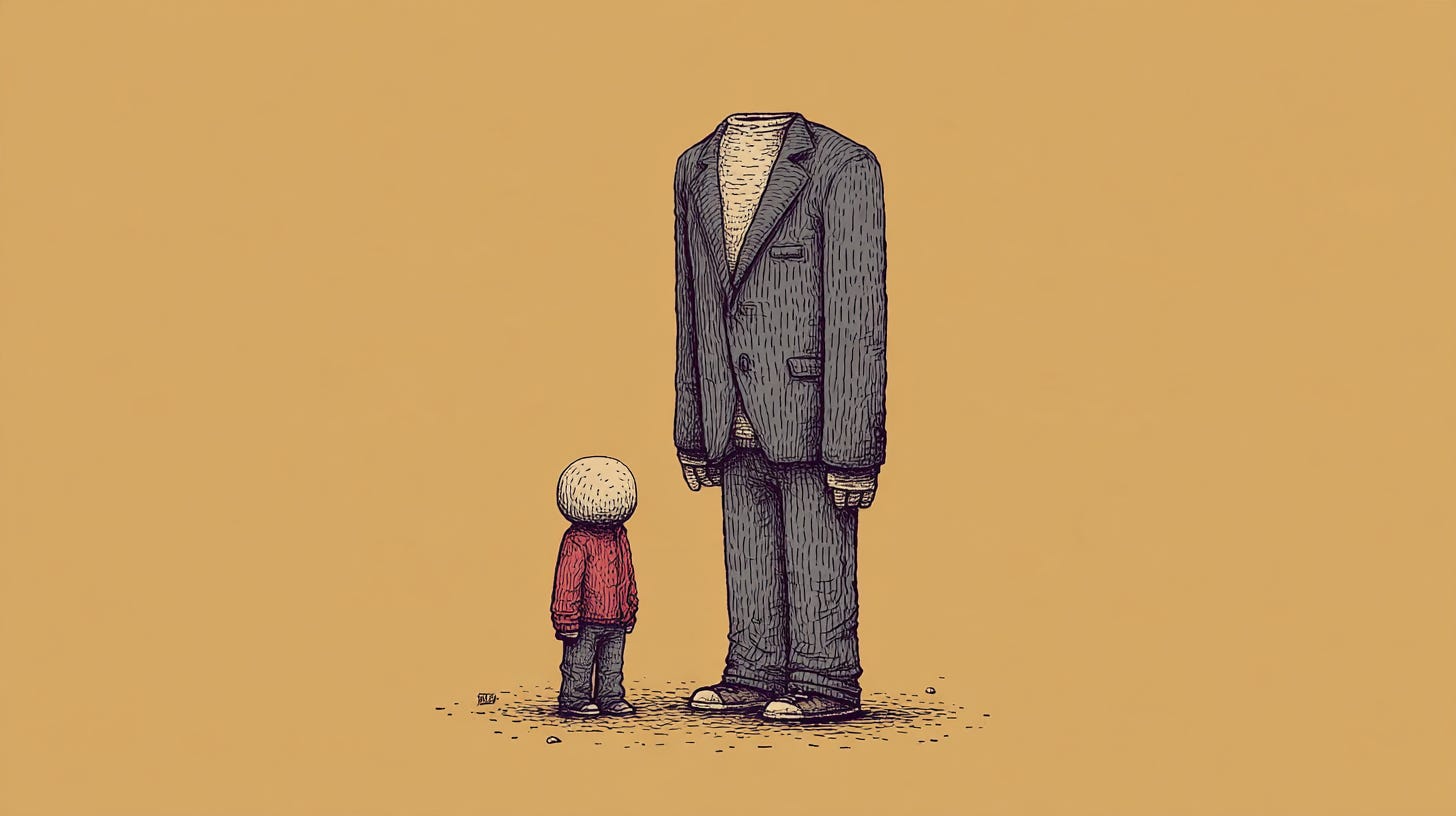
Nobody checked because nobody felt the need to. The suit, the posture and the voice had already done the checking for them, and that is what a first impression does when it goes unchallenged, it stops being an impression and becomes a verdict.
In 1920, a psychologist asked army officers to rate their soldiers on separate qualities such as physique, intelligence, leadership and character. The ratings should have varied, but they did not. A soldier rated highly on one quality was rated highly on all of them, as if one visible strength had been copied across every rating. This is called the Halo Effect. A century of research followed and the pattern kept repeating, the attractive are assumed competent, the confident are assumed correct, the well spoken are assumed honest. One quality you can see gets copied onto the qualities you cannot.
I worked closely with someone who inflated his numbers. He presented results to the people above him that made problems look solved and made him look like the one who solved them. I knew the figures were stretched because I was working on the same files. Nobody else could see it, they only saw a confident, articulate man who kept arriving with good news, and they trusted him a little more every time. When he was questioned, he talked himself out of the corner with the same confidence that had put him there, and it worked every time.
A text over 1400 years old describes what your eyes just did, and puts the fault on your side of the table.
وَمِنَ ٱلنَّاسِ مَن يُعْجِبُكَ قَوْلُهُۥ فِى ٱلْحَيَوٰةِ ٱلدُّنْيَا وَيُشْهِدُ ٱللَّهَ عَلَىٰ مَا فِى قَلْبِهِۦ وَهُوَ أَلَدُّ ٱلْخِصَامِ
“And of the people is he whose speech pleases you in worldly life, and he calls Allāh to witness as to what is in his heart, yet he is the fiercest of opponents.”(Surah Al-Baqarah, 2:204)
The ayah, a verse of the Quran, is describing a specific kind of person. It is not telling you every eloquent person is your enemy. It is telling you something narrower and more useful. Eloquence is not evidence, and speech that pleases you tells you nothing about what is in the heart.
Another surah of the Quran lays out the same sequence. It describes the hypocrites of Madinah, men whose outward impression was most of what they had:
وَإِذَا رَأَيْتَهُمْ تُعْجِبُكَ أَجْسَامُهُمْ ۖ وَإِن يَقُولُوا۟ تَسْمَعْ لِقَوْلِهِمْ ۖ كَأَنَّهُمْ خُشُبٌۭ مُّسَنَّدَةٌۭ ۖ يَحْسَبُونَ كُلَّ صَيْحَةٍ عَلَيْهِمْ ۚ هُمُ ٱلْعَدُوُّ فَٱحْذَرْهُمْ ۚ قَـٰتَلَهُمُ ٱللَّهُ ۖ أَنَّىٰ يُؤْفَكُونَ
“And when you see them, their forms please you, and if they speak, you listen to their speech. [They are] as if they were pieces of wood propped up - they think that every shout is against them. They are the enemy, so beware of them. May Allāh destroy them; how are they deluded?” (Surah Al-Munafiqun, 63:4)
Their forms please you, then you listen. That is the halo laid out in order, the appearance grabs your attention first and that appearance opens your ears.
Then a hadith, a recorded saying of the Prophet ﷺ, says where the only accurate judgement of a person comes from:
“Verily Allah does not look to your bodies nor to your faces but He looks to your hearts,” and he pointed towards the heart with his fingers. (Sahih Muslim 2564b)
Bodies and faces are exactly what the halo runs on. The hadith is not saying they do not exist or do not matter to people, it is saying they count for nothing in the one judgement that is true. What counts is the heart, a place you cannot see and the man in the suit cannot polish.
So do not let the suit, the voice or the confidence decide for you, because none of them is evidence of anything except itself. Judge people by what they actually do and what they actually deliver, checked over time, and only then decide what you think of them. That takes longer than a first impression, which is why the halo keeps winning, but the standard does not move for that. Judge the thing said, not the person saying it.
The halo was never on them. You placed it on them, and it goes wherever you look.
Something to do: In your next meeting, write down the one claim that persuaded you most, and before the day ends check it as if a stranger had made it.
Something to think about: Who do you believe mainly because of how they look when they speak?
This is the final issue of 1400.
Twenty-five concepts published and that is a small number against what is actually there. Many more patterns sit in the Quran and the Sunnah of the Prophet ﷺ that I never reached, and some describe things about us no researcher has named yet. None of these issues were written to undermine the researchers. They studied people and not scripture.
My hope is that something in these issues shifted where you look first, and that the next time you catch yourself in one of these patterns your instinct is to ask what the Quran and Sunnah already said about it. If that happened even once, 1400 did its job.
Thank you for reading and for forwarding the issues that meant something to you. The archive stays online. Other things need my time right now, and I would rather stop than keep publishing at half the standard these issues deserve.
Farewell for now. Science is still discovering what the Quran already told us.
Quran translations: Sahih International. Hadith translations: Sunnah.com.