

1400 | Issue #3
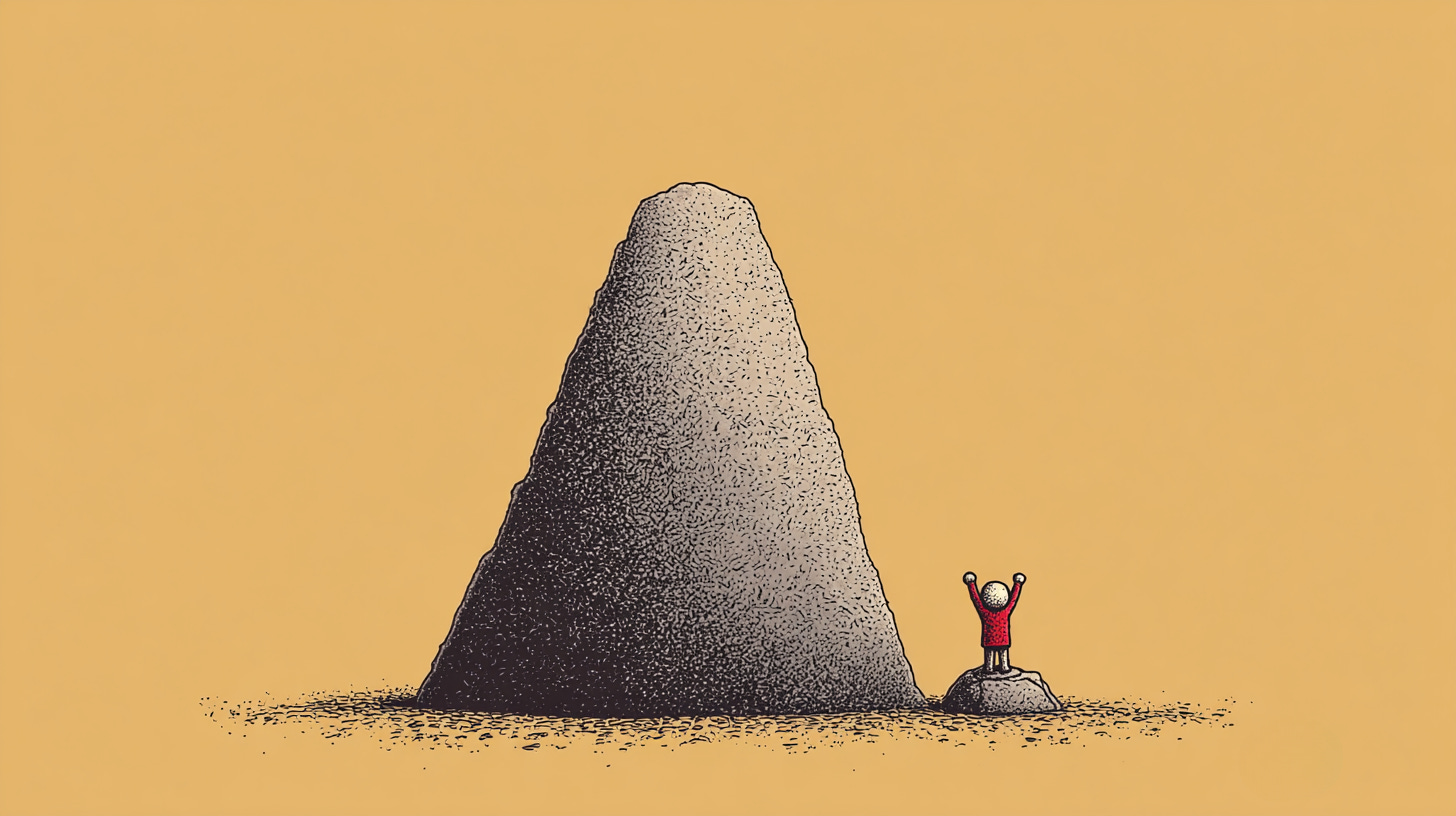
In 1999, two psychologists at Cornell University confirmed what most of us quietly sense. People with limited knowledge in a domain tend to significantly overestimate their ability in it, not out of arrogance, but because the same gap that limits their competence also limits their ability to see their own incompetence. You do not know what you do not know, and that missing knowledge makes you feel like you already know enough. The pattern runs both ways: the least skilled are often the most certain, and the most skilled are often the most cautious. Real competence comes with awareness of complexity, and complexity is invisible until you know enough to see it.
I watched it happen in a meeting once. Someone who had spent a few weeks on a topic was speaking with absolute certainty, correcting people, dismissing pushback. Across the table sat someone who had been working in that space for over a decade, and he barely spoke. When he did, it was measured, careful, full of “but it depends”. He knew enough to see how much he did not know. The other didn’t know enough to see the edges of his own ignorance. Neither of them knew what they were demonstrating. I sat there recognising both of them, because I have been both of them at different points, and the version of me that once walked into rooms with a confidence I had not earned did not feel like overconfidence at the time. It felt like clarity.
This was described centuries before the research existed.
A hadith, a recorded saying of the Prophet ﷺ defines what pride really is:
“He who has in his heart the weight of a mustard seed of pride shall not enter Paradise. A person (amongst his hearers) said: Verily a person loves that his dress should be fine, and his shoes should be fine. He (the Holy Prophet) remarked: Verily, Allah is Graceful and He loves Grace. Pride is disdaining the truth (out of self-conceit) and contempt for the people.” (Sahih Muslim 91a)
The definition is precise. Pride is not about how you dress or what you admire in yourself. It is two things: dismissing the truth and looking down on people. The first half is the Dunning-Kruger Effect in action. The person who does not know enough to see their own gaps rejects correction because it does not match their self-assessment. And when someone tries to offer it, they are dismissed, not because they are wrong, but because the other person has already decided they know more. The Prophet ﷺ did not describe pride as a personality trait. He defined it as two actions: rejecting what is true and looking down on who is in front of you.
A second hadith captures what happens when this pattern is left unchecked. When the Prophet ﷺ was asked how trust would be lost, he said:
“When authority is given to those who do not deserve it, then wait for the Hour.” (Sahih Al-Bukhari 6496)
The person who cannot see their own incompetence does not just overestimate themselves quietly. They step forward. They take authority. They fill the space that the cautious and the competent leave empty. The most dangerous version of you is not the one who gets things wrong. It is the one who stopped asking questions because they thought they already had the answers.
Something to do: Find one topic you speak confidently about and spend thirty minutes today reading something that challenges your current understanding of it.
Something to think about: Where in your life is your confidence running ahead of your actual knowledge?
Quran translations: Sahih International. Hadith translations: Sunnah.com.