

1400 | Issue #1
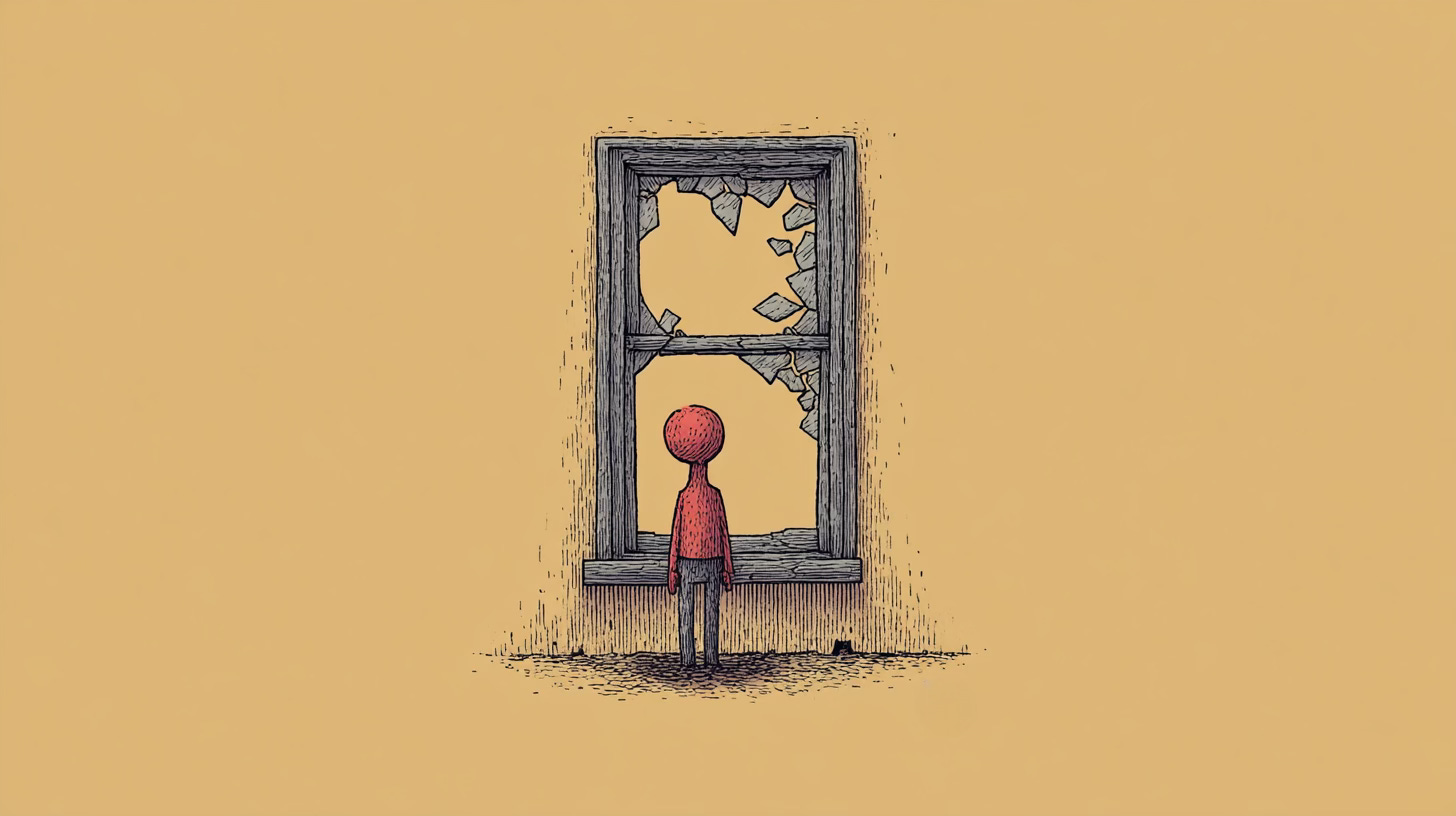
In 1982, two criminologists observed that a single broken window left unrepaired sends a signal: nobody cares here, standards have slipped, and everything downstream follows. New York tested it in the 1990s by fixing small violations, broken windows, graffiti, fare evasion, and serious crime dropped. Not because they attacked crime directly, but because they stopped tolerating the signals that said the environment had no standards.
It sounds like urban policy until you realise it is also a description of your own life.
I used to tell myself I was someone who caught himself quickly. I was not. What I actually did was notice the drift, decide it was minor, and keep moving. One missed morning prayer, just once, tomorrow would be different. It usually was not. A small dishonesty I let pass. A standard I quietly lowered and immediately reframed as flexibility. I never fixed them. The gap between who I thought I was and what I was actually doing grew quietly, in the space between those small unchosen moments. The window breaks. I walk past it and tell myself I will come back to it. The moment never arrives.
Then I came across something revealed over 1400 years ago.
إِنَّ ٱللَّهَ لَا يُغَيِّرُ مَا بِقَوْمٍ حَتَّىٰ يُغَيِّرُوا۟ مَا بِأَنفُسِهِمْ
“Indeed, Allah will not change the condition of a people until they change what is in themselves.” (Surah Ar-Ra’d, 13:11)
This ayah, a verse from the Quran, is not speaking about grand transformations. It is speaking about the internal environment, the same thing the Broken Windows Theory describes externally. Disorder begins inside before it manifests outside. Change does not arrive from circumstances. It starts in the small things you decide to fix or leave broken.
A hadith, a recorded saying of the Prophet ﷺ, maps the mechanism with an image that is impossible to forget. The Prophet ﷺ said:
“Beware! There is a piece of flesh in the body if it becomes good (reformed) the whole body becomes good but if it gets spoilt the whole body gets spoilt and that is the heart.” (Sahih Al-Bukhari 52)
The heart is not a fixed object. It is an environment. It responds to what enters it the same way a neighbourhood responds to what is tolerated within it. Leave one window broken and the signal spreads inward. Let the heart absorb one unchecked thing without correction, and the threshold for what feels wrong quietly shifts. The Prophet ﷺ did not say the heart might be affected. He said the entire body follows its condition. The environment sets the standard for everything downstream.
The Quran describes this process with precision:
كَلَّا بَلْ رَانَ عَلَىٰ قُلُوبِهِم مَّا كَانُوا۟ يَكْسِبُونَ
“No! Rather, the stain has covered their hearts of that which they were earning.” (Surah Al-Mutaffifin, 83:14)
Each unchecked act does not just add to a list. It covers something. It dims something. Until the person stops feeling the difference, not because nothing is wrong, but because wrong has become familiar.
The Quran then provides the antidote:
يَـٰٓأَيُّهَا ٱلَّذِينَ ءَامَنُوا۟ تُوبُوٓا۟ إِلَى ٱللَّهِ تَوْبَةً نَّصُوحًا
“O you who have believed, repent to Allah with sincere repentance.” (Surah At-Tahrim, 66:8)
Tawbah, sincere repentance and returning to what is right, is not a one-time dramatic event. It is the daily practice of fixing the window the moment it breaks. The word nasuh in this ayah means sincere, complete, and not returned to. Islam does not just identify the broken windows. It gives you the tools to fix them and the framework to keep fixing them for life.
Every crack sends a signal. So does every repair. And the repair does not need to be dramatic. It just needs to happen today.
You do not need a breakthrough moment. You just need to pick up the first piece of glass.
Something to do: Identify one small thing you have been tolerating in yourself this week and fix it today, before it becomes the next broken window.
Something to think about: What was the first window that broke, and how long ago did you stop noticing it?
Quran translations: Sahih International. Hadith translations: Sunnah.com.