

1400 | Issue #10
In 2001, psychologists Benoit Monin and Dale Miller ran a study with an uncomfortable finding. People who first showed they were good went on to act worse in the very next task. Doing the right thing once gave them a quiet license to drop their standards next. They called it the Moral Credential Effect, and the pattern runs through everything. You hit the gym at six, so the junk food at nine does not count. You were patient with your kids all weekend, so the sharp reply a few days later feels fair. You stayed late at work all month, so cutting corners this week feels earned. You helped your parents last month, so ignoring their call tonight slips by. You held your tongue in one argument, so the cutting words in the next one feel deserved. The good deed stops being a good deed. It becomes credit.
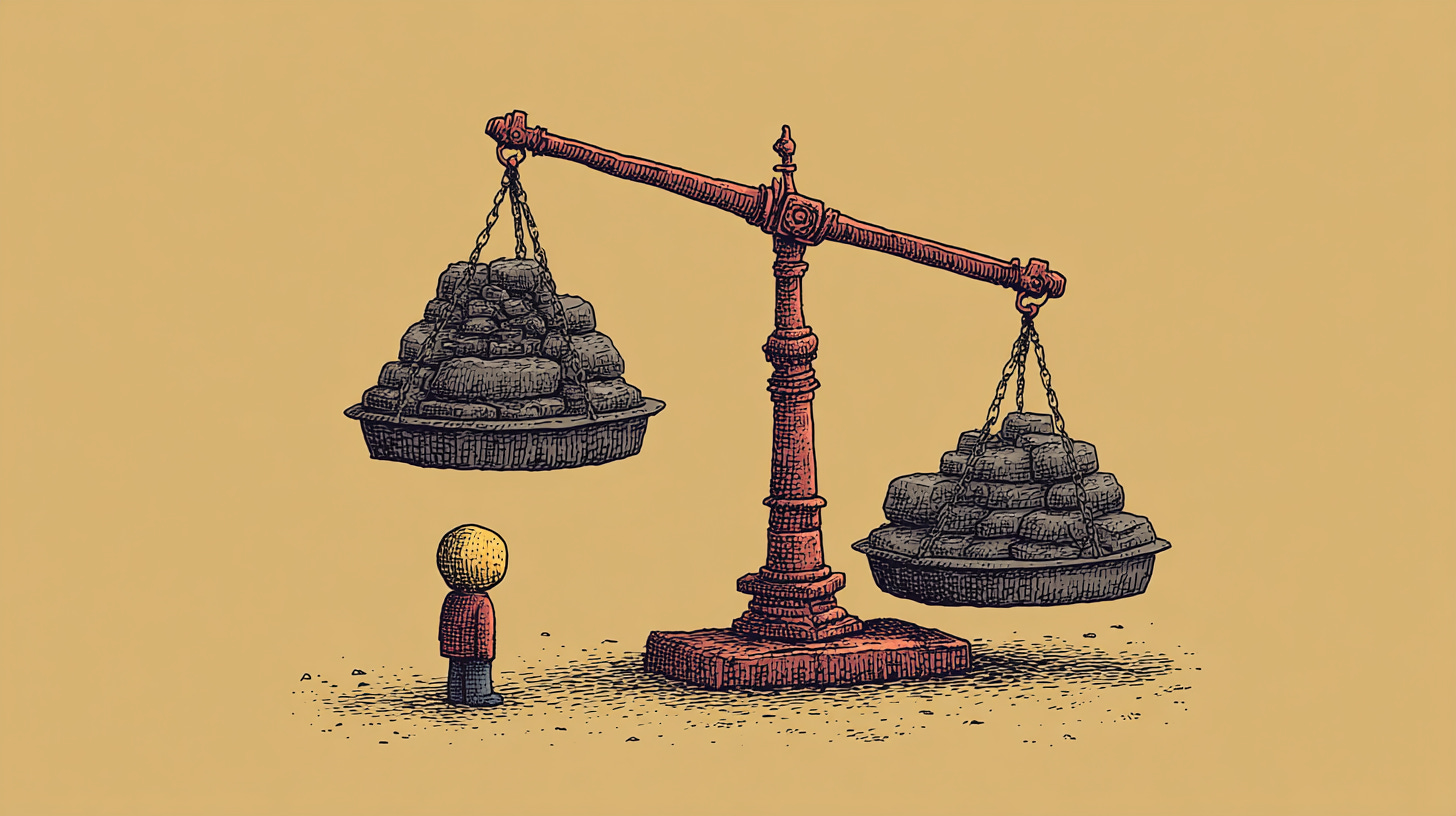
Your brain runs a moral ledger. When the balance looks healthy, it loosens the rules. You are not choosing to slip, you are being released from the standard you just met, by the fact that you met it.
I prayed Fajr properly one morning. Not just on time. I woke before the alarm, washed without rushing, prayed without my mind drifting once. I sat with the remembrances after and felt the stillness I usually only read about. I felt settled, like the day had started right and the rest would follow.
By mid-morning I had broken a commitment to a colleague. A document I had agreed to review that week. The tab had been open for three days. I closed it that morning and told myself I would come back after lunch. I did not come back to it.
That night I realised what had happened. The prayer had filled the tank. Something in me had marked the morning as enough, and the feeling of enough had quietly become permission. I was not being lazy, I was not rebelling, I felt without being able to name it that I had already deposited enough into the account.
I still catch this. Not every day, but often enough. A good deed lands, something in me exhales, and the exhale is where the standard drops.
Modern research named it. Something older had already taken it apart.
The ledger your brain runs assumes good deeds buy you slack on the next one. The Quran does not work that way. Two verses make the distinction precise.
فَمَن يَعْمَلْ مِثْقَالَ ذَرَّةٍ خَيْرًۭا يَرَهُ وَمَن يَعْمَلْ مِثْقَالَ ذَرَّةٍۢ شَرًّۭا يَرَهُ
“So whoever does an atom’s weight of good will see it, and whoever does an atom’s weight of evil will see it.” (Surah Az-Zalzalah, 99:7-8)
Nothing is invisible to this system. Not the good you are quietly proud of. Not the bad you think no one noticed. Every atom of both is recorded and seen. The Moral Credential Effect depends on the opposite, the quiet hope that the bad will get lost in the average. The Quran refuses to let anything get lost.
The Prophet ﷺ closed the door on it more directly.
“There is none whose deeds alone can secure salvation for him. They said: Allah's Messenger, not even you? Thereupon he said: Not even I, but that, the Mercy of Allah should take hold of me.” (Sahih Muslim 2816e)
The Prophet ﷺ used himself as the strongest possible illustration. If even the deeds of the most beloved of Allah are not the mechanism that secures Paradise, then the notion that your good week entitles you to a bad day is not a thinking error. It is a misreading of how the entire system works.
The Quran does not deny that good deeds matter. The whole of revelation insists that they do. It even tells you directly that good deeds can erase bad ones.
إِنَّ ٱلْحَسَنَـٰتِ يُذْهِبْنَ ٱلسَّيِّـَٔاتِ
“Indeed, good deeds do away with misdeeds.” (Surah Hud, 11:114)
But notice the direction. The good deed reaches backward to clean what is already there. It does not reach forward to license what has not happened yet. Repentance moves backwards. Credentialing moves forwards. The two are not the same thing, and the Quran never confuses them.
In another narration:
“Do good deeds properly, sincerely and moderately and know that your deeds will not make you enter Paradise, and that the most beloved deed to Allah is the most regular and constant even if it were little.” (Sahih Al-Bukhari 6464)
The brain credentialises because it remembers your best moments. Islam values the consistent ones. When the measure is consistency, no single deed can ever feel like enough to coast on, because the only deed that counts is the one you do tomorrow.
The most dangerous moment in your day is not the moment you fail. It is the moment right after you succeed, when something whispers that you have earned this. You have not earned anything. The last good thing you did is already behind you. What you do next has its own line in the ledger.
Something to do: The next time you finish a good deed and feel a wave of self-satisfaction, name that feeling out loud as a warning sign, not a reward.
Something to think about: What if the thing you are most proud of this week is the exact thing making you careless about everything else?
Quran translations: Sahih International. Hadith translations: Sunnah.com.