

1400 | Issue #6
In 1967, psychologists Edward Jones and Victor Harris ran a simple experiment. They gave a group of people essays to read about Fidel Castro. Some were written by students who chose to argue for or against him. Others were written by students who were told exactly which side to argue, like being handed a script. The readers knew which was which. It did not matter. When they read a pro-Castro essay written by someone who had no choice, they still assumed the writer genuinely supported Castro. You know this person was told what to say, and you still believe they meant it. That is how fast the brain works. It sees what someone did, ignores why they did it, and decides who they are. They cut you off in traffic because they are reckless. You cut someone off because you did not see them. Same action, two completely different explanations, and the only variable is who did it.
I watched two colleagues have the same disagreement twice in a week. The first time, one arrived late to a meeting and the other assumed it was carelessness. No benefit of the doubt, just a quiet judgment made in under three seconds. The second time, the roles reversed. The one who had judged was now the one walking in late, and the first thing out of their mouth was a reason. Not an apology, a reason. A perfectly understandable context that made their lateness different from the other person’s lateness. Neither of them saw the symmetry. The uncomfortable part is not that this happens. It is how invisible it is when I am the one doing it.
Modern research named it. Something older already described it.
يَـٰٓأَيُّهَا ٱلَّذِينَ ءَامَنُوا۟ ٱجْتَنِبُوا۟ كَثِيرًا مِّنَ ٱلظَّنِّ إِنَّ بَعْضَ ٱلظَّنِّ إِثْمٌ وَلَا تَجَسَّسُوا۟ وَلَا يَغْتَب بَّعْضُكُم بَعْضًا
“O you who have believed, avoid much [negative] assumption. Indeed, some assumption is sin. And do not spy or backbite each other.” (Surah Al-Hujurat, 49:12)
This ayah, a verse from the Quran, does not say avoid all assumption. It says avoid much of it, because some of it is sin. The word used is dhann, which in this context refers to unverified suspicion about someone’s character or motive. The verse addresses the exact mechanism behind the error. You see someone’s action, you skip past every possible context, and you land on a character judgment. The Quran names that skip as the problem and commands believers to stop making it.
The Prophet ﷺ described the same pattern in practice. In a hadith, a recorded saying of the Prophet ﷺ, he said:
“Beware of suspicion, for suspicion is the worst of false tales…” (Sahih Al-Bukhari 6064)
The Prophet ﷺ called it false tales, because when you assume who someone is based on a single thing they did, you are narrating a story about them that you do not have the evidence to tell.
A second ayah goes further. When a slander spread through Madinah about Aisha, the wife of the Prophet ﷺ, the Quran’s response was not to investigate the claim first. It was to ask why the believers did not default to good:
لَّوْلَآ إِذْ سَمِعْتُمُوهُ ظَنَّ ٱلْمُؤْمِنُونَ وَٱلْمُؤْمِنَـٰتُ بِأَنفُسِهِمْ خَيْرًا وَقَالُوا۟ هَـٰذَآ إِفْكٌ مُّبِينٌ
“Why, when you heard it, did not the believing men and believing women think good of themselves [i.e., one another] and say, “This is an obvious falsehood”?” (Surah An-Nur, 24:12)
The standard is not neutrality. It is active good assumption, husn al-dhann, an Arabic term for assuming the best of someone until proven otherwise. When you see someone’s action and do not know their reason, the default is not to wait for evidence. The default is to assume good until you cannot.
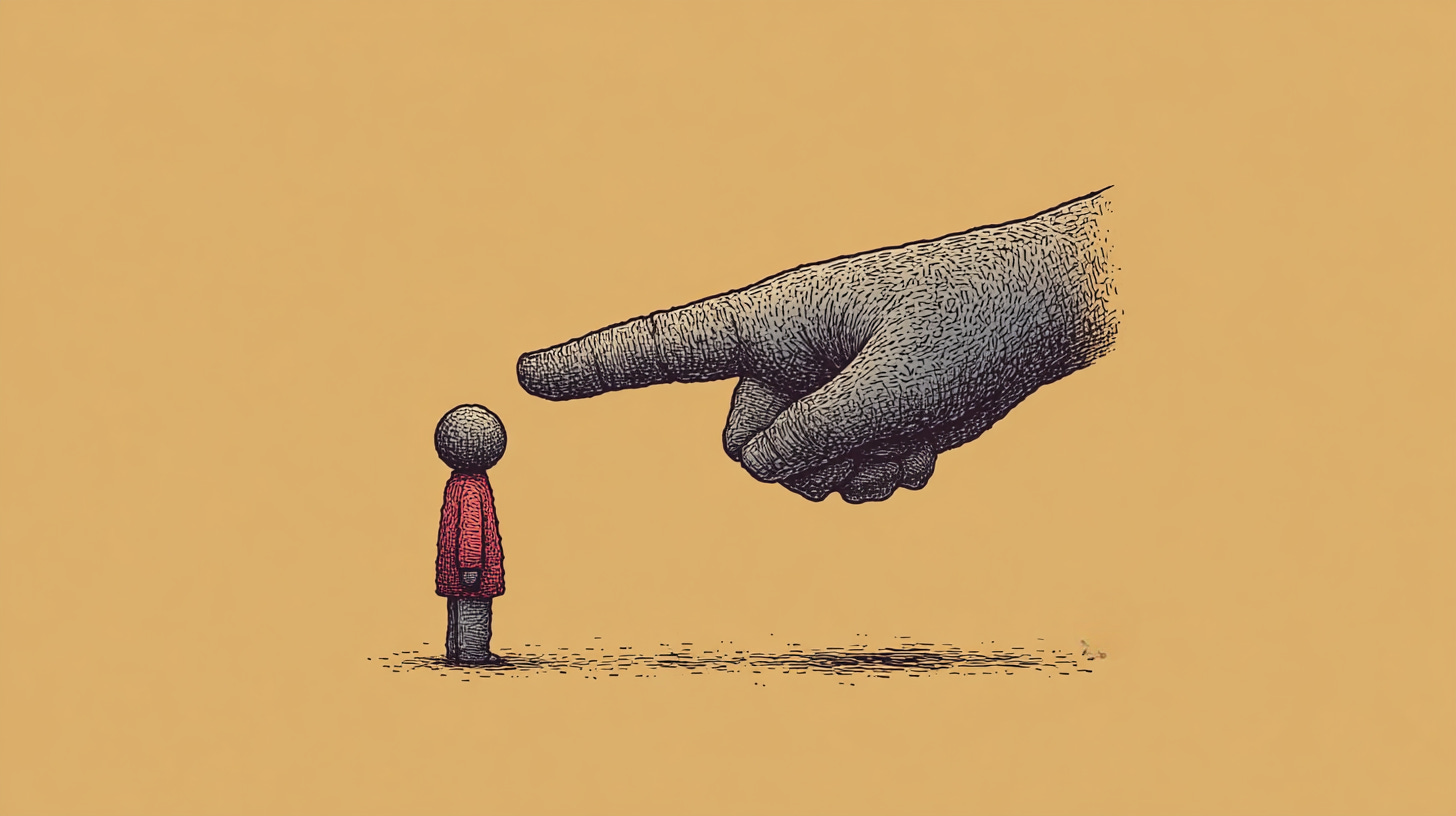
The harshest explanations you carry about other people are almost never about what they did. They are about the story you built in the three seconds after you saw it.
Islam asks you to build a different story. And to hold it even when the other person does not know you gave them the benefit of the doubt, and even when they would not have done the same for you.
Something to do: The next time someone does something that frustrates you, pause and construct one reason that has nothing to do with their character.
Something to think about: How many people are carrying a version of you that was built in three seconds and never updated?
Quran translations: Sahih International. Hadith translations: Sunnah.com.