

1400 | Issue #24
You believe the thing and you know it is right, but you keep doing the opposite with a small story attached that makes the gap bearable. The story is doing more work than you realise. Holding a belief and a contradicting habit in the same body costs something, and the story is how you pay.
In 1954 a psychologist joined a small group that believed the world would end on a specific date and a flying saucer would rescue the faithful. The date came and nothing happened, and the psychologist believed that the group would fall apart, but they ended up being more committed and grew. They now believe their faith saved the world. The study noticed that changing behaviour was expensive, so they changed the cheaper thing, and added a story.
You see it in the smoker who knows the science and knows a grandfather who smoked to ninety ready to be used in a debate. Also in the person who believes in generosity and has a very good reason why this month is not the month to be generous. The belief is not gone, it has been fitted with an exit. Psychology calls this Cognitive Dissonance, and the exit is the part of it nobody photographs.
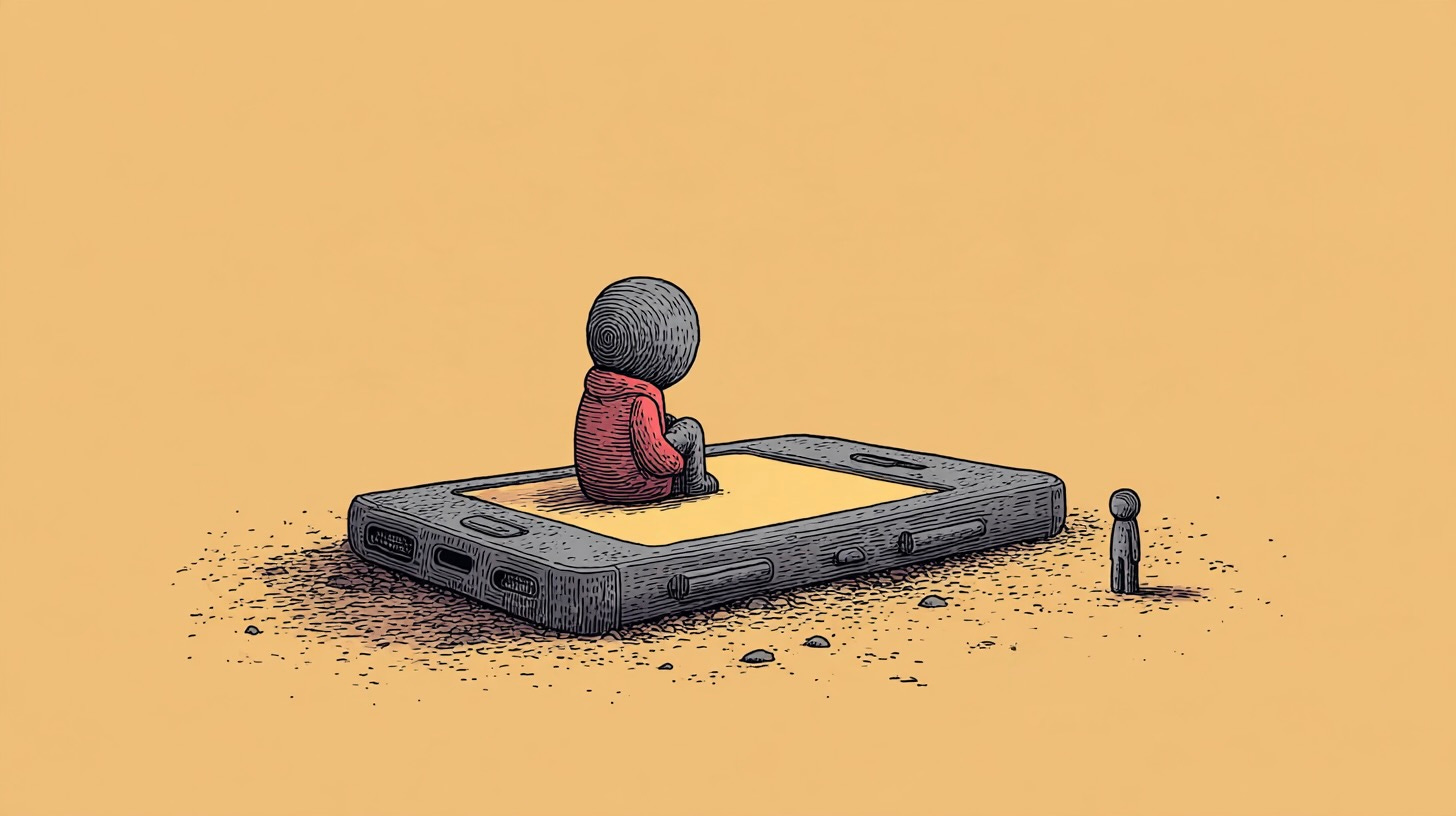
I held a belief for years about how a father should be in the evenings, patient, present, phone face down, and I held a phone face up every evening for most of those years. The two never fought, and that should have been the warning. They should have fought. Instead, I had sentences ready such as I need to decompress, or it is only a few minutes, or the kids are busy with their toys anyway. Every one of those was true but none of them was the point. What I did not do was change the evening. I changed the description of the evening.
The Quran names the gap.
يَـٰٓأَيُّهَا ٱلَّذِينَ ءَامَنُوا۟ لِمَ تَقُولُونَ مَا لَا تَفْعَلُونَ كَبُرَ مَقْتًا عِندَ ٱللَّهِ أَن تَقُولُوا۟ مَا لَا تَفْعَلُونَ
“O you who have believed, why do you say what you do not do? Greatly hateful in the sight of Allah is that you say what you do not do.” (Surah As-Saf, 61:2-3)
These verses are addressed to believers, not to people who lack the belief. The belief is not in question. The distance between the saying and the doing is, and the verse gives that distance a weight that no story about the evening can offset. The mind's cheap exit is to shrink the belief until it fits the behaviour. The verse does not leave that door open.
Then a hadith, a recorded saying of the Prophet ﷺ, names what a gap between word and deed is, and how much of it counts:
“Whoever has the following four (characteristics) will be a pure hypocrite and whoever has one of the following four characteristics will have one characteristic of hypocrisy unless and until he gives it up.
1. Whenever he is entrusted, he betrays.
2. Whenever he speaks, he tells a lie.
3. Whenever he makes a covenant, he proves treacherous.
4. Whenever he quarrels, he behaves in a very imprudent, evil and insulting manner.”
(Sahih Al-Bukhari 34, Sahih Muslim 58)
Hypocrisy is a split between what a person shows and what he holds. The hadith does not diagnose the inside. It lists four things a person does, and whoever has one of these has one characteristic of it. That one characteristic has a single expiry condition, until he gives it up. The exit is a change in what is done. A better story is not on the list.
The Quran holds the mirror up once more to people who knew the text better than anyone:
أَتَأْمُرُونَ ٱلنَّاسَ بِٱلْبِرِّ وَتَنسَوْنَ أَنفُسَكُمْ وَأَنتُمْ تَتْلُونَ ٱلْكِتَـٰبَ ۚ أَفَلَا تَعْقِلُونَ
“Do you order righteousness of the people and forget yourselves while you recite the Scripture? Then will you not reason?” (Surah Al-Baqarah, 2:44)
The belief is not missing, it is in their mouths. Then the closing question, will you not reason. Dissonance is not a failure of knowledge, the people in the verse have the knowledge. It is a failure of reasoning under discomfort, where the mind takes the cheap resolution and calls it thought.
The gap will get closed one way or another, because nobody can stay in it for long. Islam does not dispute that. Then it takes away the cheap door and leaves you with the expensive one, and calls that the only honest way out.
There are two ways to close the gap. You have been using the cheap one for years, and it closes the wrong side.
Something to do: Name one thing you say you believe and have not acted on this month, and do the smallest version of it today, before you explain anything to anyone.
Something to think about: Which of your beliefs have quietly become things you say rather than things you do, and who wrote the story that let that happen?
Quran translations: Sahih International. Hadith translations: Sunnah.com.